Miskeo Parfums: Perfume as an Atmospheric Vignette
Miskeo Parfums is an independent perfume house launched in 2022 by perfumer Marie-Pierre Blanchette alongside evaluator Pep Dalessandri. Its name derives from the Latin misceo — to mix or blend — an appropriately simple word for a brand fascinated by what happens when materials lose their obvious borders and begin to create atmosphere.
Rather than treating each Miskeo perfume as a straightforward portrait of a flower, spice or material, Blanchette works in vignettes. A fragrance becomes a compressed scene: a misted garden at dawn, a private library lined with ageing leather, a summer afternoon caught between sunlight and shadow. Notes appear, support one another and fade without hard edges, allowing the wearer to sense the image before necessarily identifying every ingredient.
Restraint here does not mean emptiness, and concept does not come at the expense of pleasure. What links the collection is the decision to let mood arrive before explanation: the wearer encounters weather, texture or a room before the individual materials fully resolve.
Small-Batch Perfume: The Value of Deliberate Creation
Small-batch perfume is sometimes treated as shorthand for quality, but production scale alone does not make a fragrance more accomplished. For Miskeo, its real value lies in independence and control. The house can develop a tightly defined idea, work closely with its materials and release compositions without needing to flatten their character for a broad commercial audience.
Miskeo combines natural and synthetic materials according to what the fragrance needs. There is no hierarchy between the two. Naturals may provide irregularity, texture and richness, while contemporary aroma materials can create mineral air, abstraction, transparency or effects that would be impossible to build convincingly from botanicals alone.
This freedom is particularly important to Miskeo’s atmospheric style. A wet garden does not need to consist only of flowers and leaves; aldehydes, ozonic notes and abstract molecules may be what make the air around them perceptible. A leather accord may need both botanical and synthetic elements to move from polished suede to something older, darker and more corporeal.
The result is small-batch perfumery defined by deliberate creation rather than a romanticised idea of handcraft alone.
Les Éléments: Minimalism with Blurred Edges
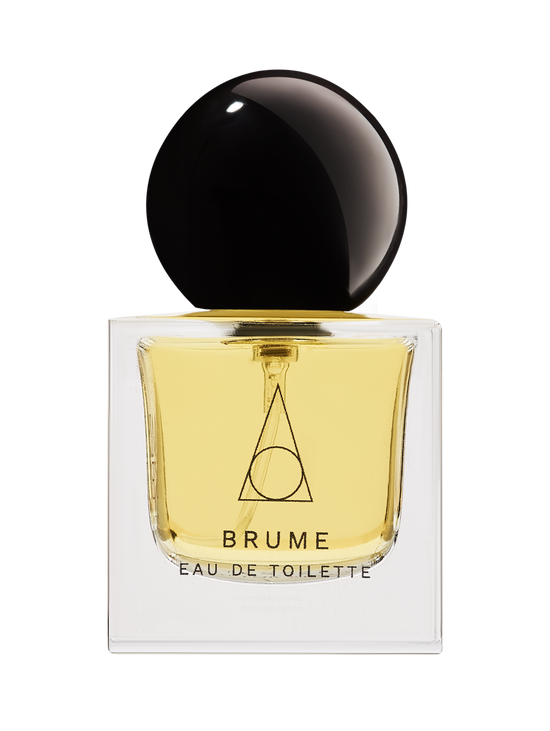
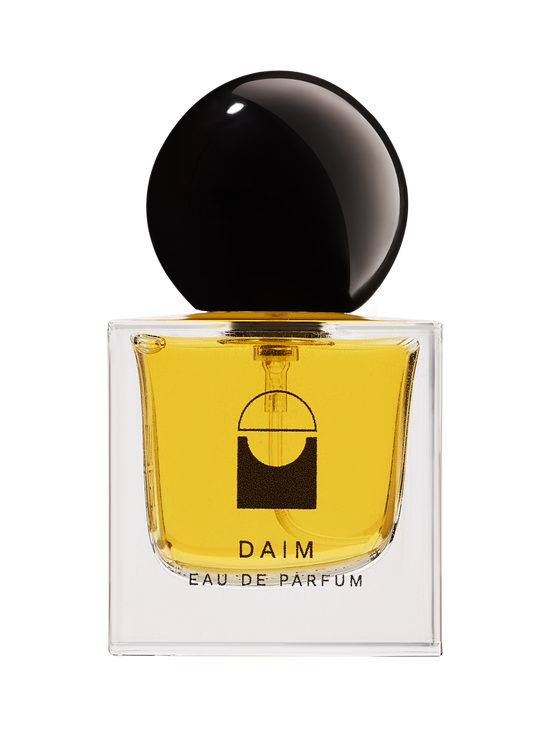
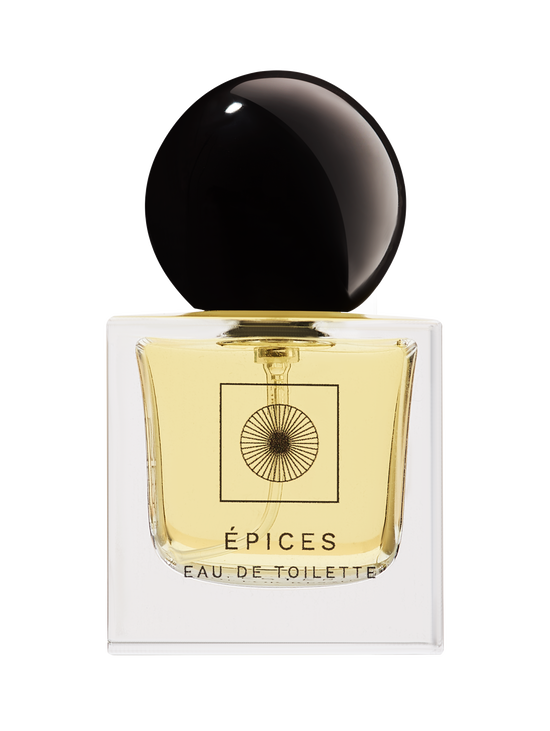
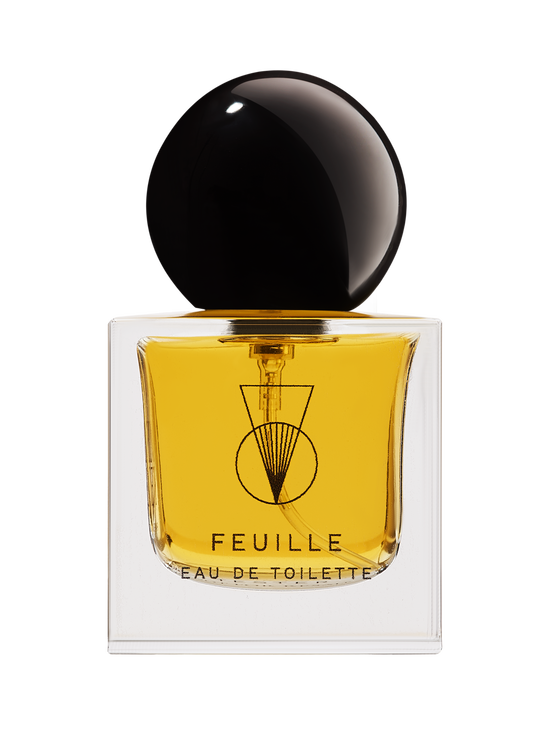
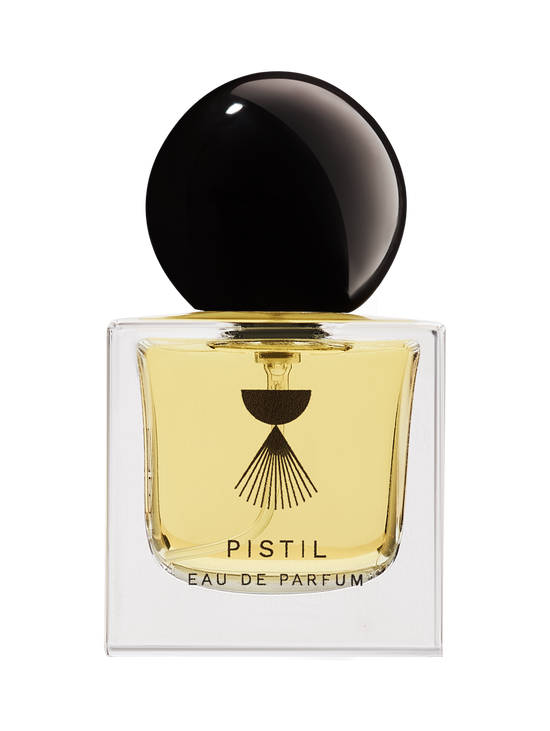
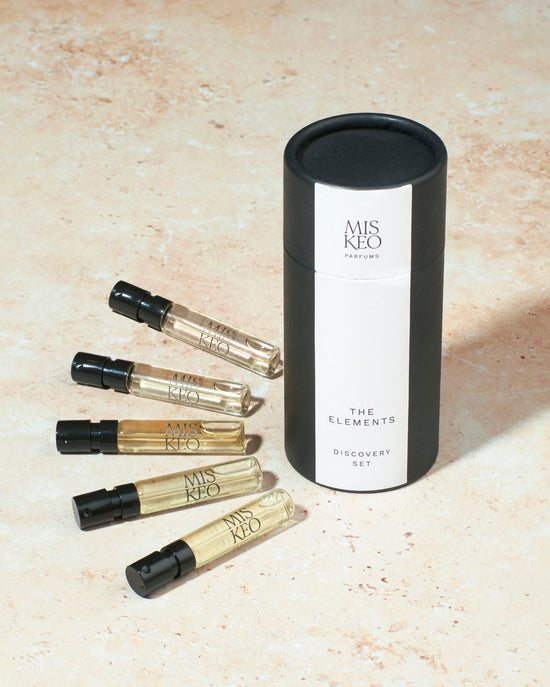
Miskeo’s first collection, Les Éléments, consists of Brume, Daim, Épices, Feuille and Pistil. Each is organised around a tightly controlled central idea, with a compact group of prominent materials acting as the frame around which more elusive details emerge.
Minimalist perfume in this context does not mean simple perfume. Brume may begin with juniper, mastic, aldehydes and cool air before geranium, cucumber, ozone and vetiver transform the scene. Feuille moves through tomato leaf, chamomile, pollen and mimosa into weeds, violet leaf and ambrette. Pistil places jasmine, violet and narcissus beside lavender, costus and cedar, allowing something beautiful to become increasingly bodily and strange.
The construction is closer to sfumato than clean graphic lines. Forms emerge and dissolve into one another. In Daim, suede becomes hay, white flowers, mahogany and castoreum without a single moment when one scene clearly ends and the next begins.
That blurred quality is one of Miskeo Parfums’ strongest signatures. The compositions maintain strict thematic control, but within that framework the edges remain soft enough for imagination to enter.
The Rococo Collection: Perfume as a Painted Scene
The newer Rococo Collection expands this method into the visual language of painting. Instead of simply giving the fragrances ornate names or decorative packaging, Miskeo asks how an image might dictate a perfume’s light, colour, texture and emotional temperature.
Allégorie de l’Été looks towards the sensual playfulness associated with Fragonard. Chinotto and aldehydes provide a bright, almost sparkling surface, while immortelle, cinnamon, fennel and hay introduce warmth, bitterness and something more languid underneath. Summer is not presented as clean citrus freshness, but as sunlight with a shadow moving through it.
Portrait de Madame et son Chat explores a more intimate Rococo world of powder, musk, warmth and fur, while Nature Morte avec Pommes turns towards still-life tradition. Apple and white wine sit beside bread, walnut, tonka, oak and castoreum, allowing ripeness, fermentation and decay to enter a composition that initially appears gourmand.
This is artistic perfume in a meaningful sense. The paintings are not decorative references added after the fragrance has been composed. Their visual logic — light, abundance, pleasure, mortality, intimacy — determines how the perfume itself behaves.
Mist, Suede or Still Life? Choose Your Miskeo Atmosphere
The clearest distinction is between Miskeo’s two collections. Les Éléments is the more abstract and atmospheric side of the house: Brume and Feuille explore mist, greenery and damp vegetation; Daim moves towards suede, hay and dark wood; Épices reworks the fougère through spice and aromatic materials; Pistil places jasmine in a more bodily, unsettled register.
The Rococo Collection is warmer and more immediately pictorial. Allégorie de l’Été captures bitter citrus, sunlight and hay; Nature Morte avec Pommes brings together fruit, wine, bread, walnut and the suggestion of fermentation; Portrait de Madame et son Chat turns towards fur, musk, vanilla and intimate warmth. None of these choices depends on gender — texture and atmosphere are more useful guides.
Because Miskeo’s compositions reveal themselves gradually, both collections are worth comparing on skin. Sainte Cellier offers individual samples, the Les Éléments Discovery Set and the Rococo Discovery Set, making it possible to explore each side of the house before choosing a full bottle.
The Sainte Cellier Edit: Four Miskeo Vignettes
Brume is one of the clearest expressions of Miskeo’s atmospheric perfume style. Juniper, mastic, aldehydes and fruity facets create the first impression of chilled, mineralised air before geranium, ozonic notes and cucumber bring damp greenery into focus. Vetiver remains underneath like earth after a storm. The effect is a garden caught at dawn: wet leaves, electric grass, mist and the first warmth beginning to enter a cold sky.
Daim turns texture into architecture. Suede, blood orange and black pepper lead into hay, frangipani and jasmine before mahogany and castoreum deepen the composition. The inspiration feels less like pristine new leather than a secluded library — oxblood bindings, ageing pages, dark polished wood and flowers somewhere beyond the room. Its suede is tactile and intimate, softened by florals yet made stranger by the animalic shadow underneath.
Allégorie de l’Été gives the newer Rococo Collection its brightest expression. Chinotto and aldehydes provide a sparkling, bittersweet opening before immortelle and cinnamon add solar warmth. Labdanum, fennel and hay introduce something drier and more sensual beneath the brightness. The fragrance feels like summer viewed through an eighteenth-century fantasy: light, movement and pleasure, but with enough bitter herbs and warm shadow to prevent the scene from becoming simply pretty.
Nature Morte avec Pommes is the collection at its most autumnal and quietly unsettling. Apple and chilled white wine suggest fruit, cellar air and the beginning of fermentation, while bread and walnut introduce warmth and grain. Tonka, oak and castoreum darken the base. Gourmand elements are present, but this is not uncomplicated sweetness: cider, yeast, wood and the gradual ripening of fruit turn the perfume into a still life about abundance and the passage of time.
Miskeo moves from a damp garden to a private library, from Rococo summer to fruit nearing decay, without losing its identity. Each perfume is framed as a vignette: compact, controlled and open at the edges, with enough detail to establish a scene and enough ambiguity for the wearer to complete it.