Marlou Perfume: When Fragrance Begins with the Body
Marlou perfume begins where conventional fragrance often tries to end: with the natural presence of the body. Created by Briac Frocrain, the independent French perfume brand treats skin not as a blank surface to be covered, but as part of the composition itself. Musk, warmth, salt, powder and animalic notes meet the wearer’s own odour, creating a personal olfactory identity that can feel different from one skin to another.
This gives Marlou perfumes an unusual place within French niche perfume and indie perfume. The house is interested in intimacy, imperfection and the social meaning of smell: what we choose to conceal, what we find sensual, and why an odour that attracts one person might unsettle another. Rather than polishing the body into abstraction, Marlou allows it to remain human.
Never Wholly Clean: Rethinking Animalic Perfume
Animalic perfume is often imagined as something aggressive, dirty or deliberately shocking. Marlou complicates that idea. An animalic fragrance can suggest warmed skin, damp hair, fur, sweat or the air left behind after physical closeness without ever smelling literally like an animal. At low volume, these effects may feel tender, familiar and almost comforting.
That ambiguity is central to Marlou’s olfactory perspective. Clean and unclean, attraction and repulsion, intimacy and exposure continually overlap. The provocative quality comes not from trying to offend, but from asking why modern perfumery so often presents clean skin as something odourless. Marlou instead treats the body’s imperfections as raw material for sensuality.
Musk, Civet, Costus and Indole: The Vocabulary of Intimacy
Marlou’s language is built from materials that can suggest the body without simply imitating it. Musk and ambrette create warmth, softness and the impression of living skin. Civet brings animal heat and tension. Costus can recall hair, fur or skin warmed by the sun, while cumin has a salty, perspiration-like quality that becomes remarkably human when carefully dosed.
Indole makes white flowers fuller, stranger and more bodily; castoreum can suggest leather, fur, smoke or the atmosphere of a stable. Yet these animal notes are not always feral. In different concentrations they can become powdery, milky, softly musky or almost clean. This is what makes a Marlou musky perfume or skin musk perfume so distinctive: sensual perfume here is less about conventional seduction than proximity. Even the most provocative perfume in the collection feels designed to be smelled on a person, not separated from them.
More Than a Clean Skin Scent
The familiar skin scent perfume usually speaks a language of white musk, fresh laundry and immaculate skin after a shower. Marlou starts there and refuses to stop. Skin can indeed be clean, but it can also be damp from a bath, warmed by sunlight, powdered before bed, salted with perspiration or carrying traces of flowers, wood, incense and yesterday’s fragrance.
That wider definition makes Marlou’s idea of intimacy more interesting. Many of the compositions remain close to the body, but closeness should not be confused with blandness. A skin scent can be milky, animalic, leathery or humid. Rather than filling a room, these perfumes often create an olfactive field around the wearer — something most clearly perceived by the person who comes close enough.
From Tender to Feral: How to Choose a Marlou Perfume
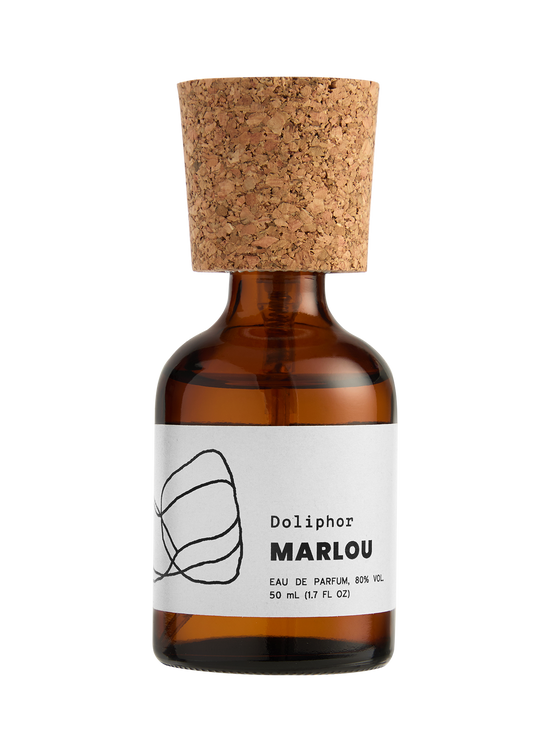
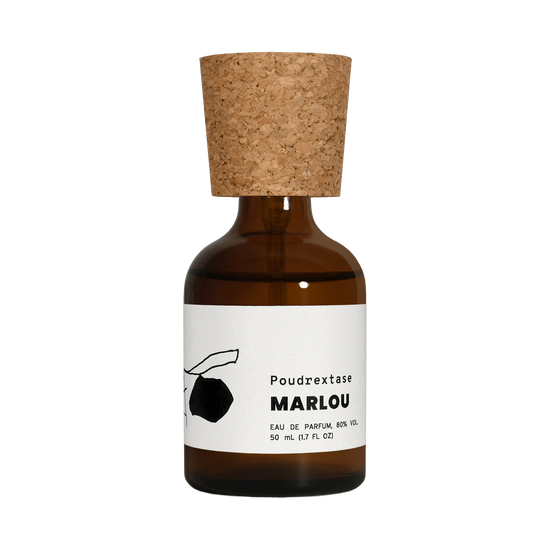
For the gentlest introduction, Doliphor explores milky, damp and almost clean skin, making it a good starting point if you are intrigued by Marlou but cautious about intense animalic notes. Poudrextase moves slightly further into the boudoir, where rice powder, rose and tonka acquire a faintly animal warmth.
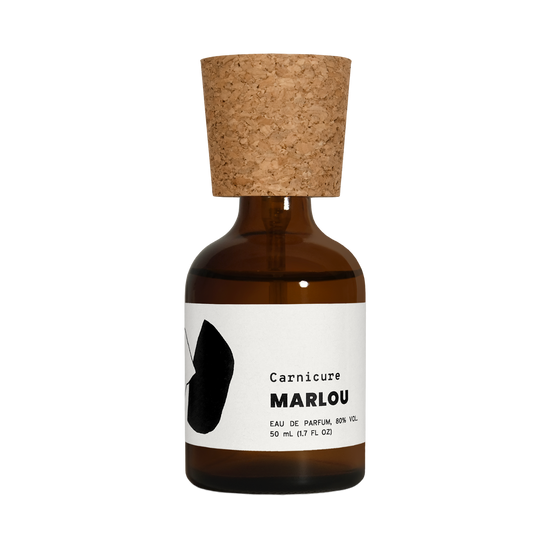
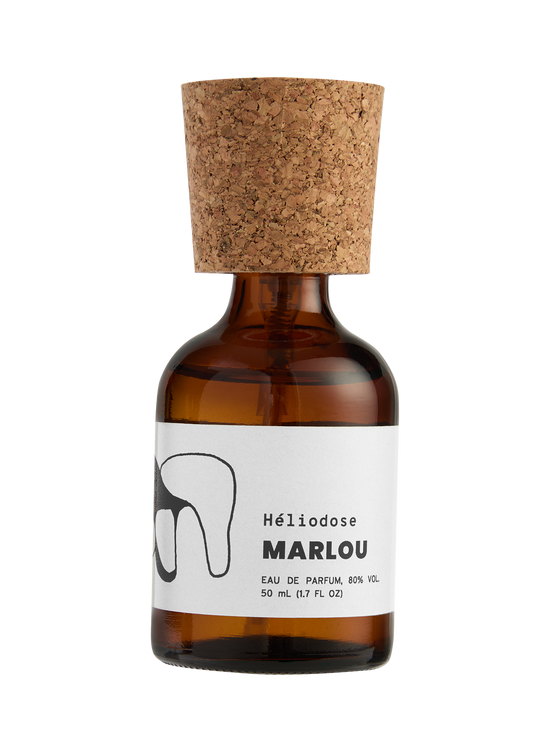
Héliodose feels more humid and sun-struck, pairing white florals and musk with the sensation of hot skin in summer air. Carnicure is darker and more vintage in mood, wrapping violet, ambered materials, musk and civet around a distinctly carnal core.
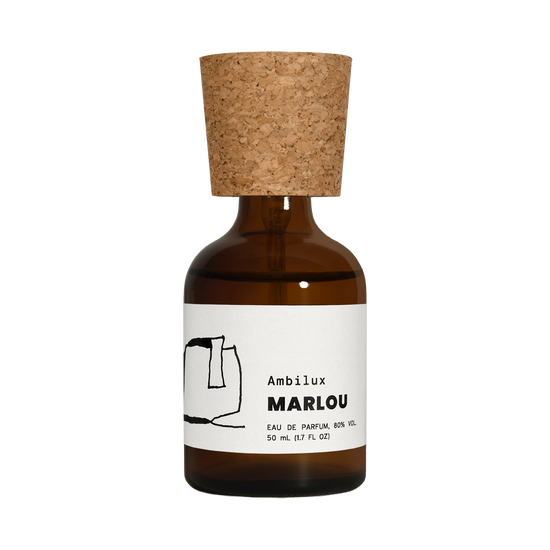
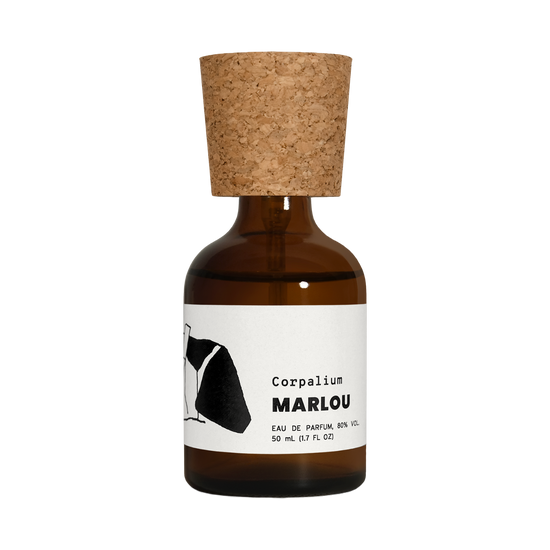
For something drier, Corpalium brings iris, ambrette, woods and castoreum into an austere leather-and-stable register. Ambilux sits at the most exposed end of the spectrum: salty, floral and intensely bodily, with cumin, immortelle and costus conjuring skin in the heat of attraction. The six niche perfumes form a progression rather than a test of bravery — from softness and powder to increasingly primal intimacy.
Why Marlou Must Be Tested on Skin
Marlou is especially difficult to understand from a blotter alone. Body heat and individual skin odour can amplify or soften its musk, milk, cumin, costus and animalic facets, meaning the same fragrance may feel cleaner, saltier or more carnal from one wearer to another. Apply lightly, avoid testing several Marlou perfumes at once, and give the scent several hours before deciding where it sits on your own skin.
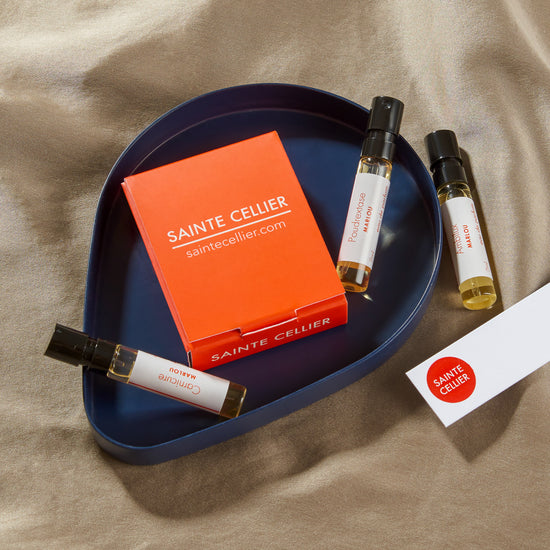
For anyone exploring Marlou perfume in the UK, sampling is the most useful way to begin. Individual samples allow you to spend proper time with one composition, while the Marlou Discovery Set offers a broader route through the collection before blind-buying full-size bottles. With a perfume brand so concerned with personal olfactory appearance, the sample service is not simply convenient — it is part of understanding the work.
The Sainte Cellier Edit: Six Expressions of Marlou
Doliphor is the quietest expression of Marlou’s body-centred perfumery. Saliva and wheat flower lead into bath towel and a milky veil, before carrot seed, costus, cumin and musk appear underneath. The effect is intimate and strangely familiar: warm clean skin, humid bathroom air and fabric that has not yet fully dried.
Poudrextase enters a more decadent boudoir. Rice powder, rose, cypress, tonka bean and civet create cosmetic softness with an increasingly bodily undertone — powder applied to skin that refuses to remain entirely pristine.
Héliodose turns the body towards sunlight. Galbanum, tiaré, indole and musk suggest white flowers, humid heat and skin warmed through by a languid summer afternoon. It is sensual without relying on conventional sweetness.
Carnicure brings orange blossom and violet into patchouli, sandalwood, labdanum, musk and civet. Ambered, musky and faintly feral, it balances an almost vintage elegance with the sense of something alive moving beneath the perfume.
Corpalium is drier and more austere. Iris, ambrette and fenugreek meet guaiac wood, cedar and castoreum, evoking old timber, tobacco, leather and a delicate equine accord. Its animalic character feels textural rather than loud.
Finally, Ambilux pushes Marlou’s study of skin furthest into the heat. Pink pepper, cumin, helichrysum, ylang-ylang, incense and costus create something salty, floral and deliberately intimate: a scent of sun, perspiration, sea-damp hair and physical closeness.
Together, the six fragrances reveal Marlou not simply as an animalic perfume brand, but as a study of the body through scent. Softness and discomfort, clean skin and primal odour, powder and sweat are allowed to coexist — making imperfection itself part of the perfume.