Animalic perfumes with depth, instinct and sensuality
Animalic perfumes explore the point where fragrance meets skin: warm, intimate, slightly wild and impossible to reduce to a single note. In the world of animalic perfumery, musk, ambergris, civet and castoreum-inspired accords are used to create texture, heat and presence. An animalic fragrance may feel musky, leathery, salty, smoky or softly furred, with base notes that seem to breathe more closely as the scent settles.
These compositions are not always loud or confrontational. Some animalic fragrances whisper rather than roar, using notes like musk, suede, amber, woods and resins to evoke a sense of closeness, sensuality and warmth. Others are more intense animalic statements: carnal, shadowed and deliberately provocative. The allure of animalic perfume lies in this tension between refinement and instinct, polish and something more primal beneath the surface.
What does animalic mean in perfume?
To ask what animalic means in perfume is to ask how perfumers create the impression of living warmth. An animalic note does not necessarily smell literally of an animal. Instead, it may suggest warm skin, salt, fur, leather, breath, earth or the musky intimacy of a body after heat. These olfactory effects bring depth and sensuality to a composition, making it feel less decorative and more physical.
Historically, materials such as natural musk, civet, castoreum and ambergris played important roles in perfumery. Contemporary perfumers often recreate or reinterpret these effects through carefully constructed accords and modern aroma materials. A civet perfume may feel floral, warm and faintly feral; a castoreum perfume may lean smoky and leathery; an ambergris perfume can appear mineral, salty, radiant or skin-like rather than overtly animalic.
From skin-soft musk to intense animalic perfumes
Animalic fragrance is not a single mood. Musk, one of the most versatile notes in the perfumer’s palette, can feel clean and airy, soft and powdery, or deep and sensual. Animalic musk sits at the warmer, more shadowed end of this spectrum, suggesting skin, fabric and body heat. Ambergris-style accords bring salt, mineral radiance and diffusion, while leather and castoreum-inspired effects add smoke, shadow and tactile depth. Combined with woods, resins, spices or florals, these notes can produce sensual scents that feel polished rather than overtly feral.
At the softer end of the spectrum, musk may be paired with iris, amber, sandalwood or pale woods to create a private, enveloping scent that reveals its animalic character gradually through the drydown. More intense animalic perfumes draw on civet-style accords, leather, incense, spice and darker florals, moving between elegance and instinct. Choosing between them is less about gender or occasion than the atmosphere you want to inhabit: quiet warmth close to the skin, or something more carnal, shadowed and magnetic.
Animalic perfume and the myth of pheromone fragrance
Animalic perfume is sometimes confused with so-called pheromone perfume, but the two ideas are not the same. Animalic fragrances create sensuality through perfumery: musk, ambergris effects, woods, leather, florals and other notes that evoke warmth, closeness and attraction. They may feel seductive because of their scent associations and the way they develop on skin, not because they guarantee a biological response.
The most compelling carnal perfume does not need to promise an invisible formula for attraction. Its power comes from composition, contrast and personal chemistry: how a musky note warms on the wearer, how leather softens into amber, or how an animalic base changes the character of a flower. Seduction in fragrance is subjective, intimate and far more interesting than a simple claim.
How to sample animalic perfumes before choosing a full bottle
Animalic perfumes should be tested on skin and given time. A scent that seems sharp, leathery or unusual at the opening may become warmer, smoother and more sensual after an hour. Musk notes, ambergris accords and animalic base notes often reveal their character gradually, moving closer to the skin as the brighter elements fade.
Test one or two fragrances at a time to avoid olfactory fatigue, then return to them across different days and temperatures. Notice whether the animalic note feels comforting, intriguing, challenging or deeply familiar. A full wear allows you to understand whether the composition’s depth and sensuality feel natural on your skin before committing to a full bottle.
Why explore animalic perfumes at Sainte Cellier?
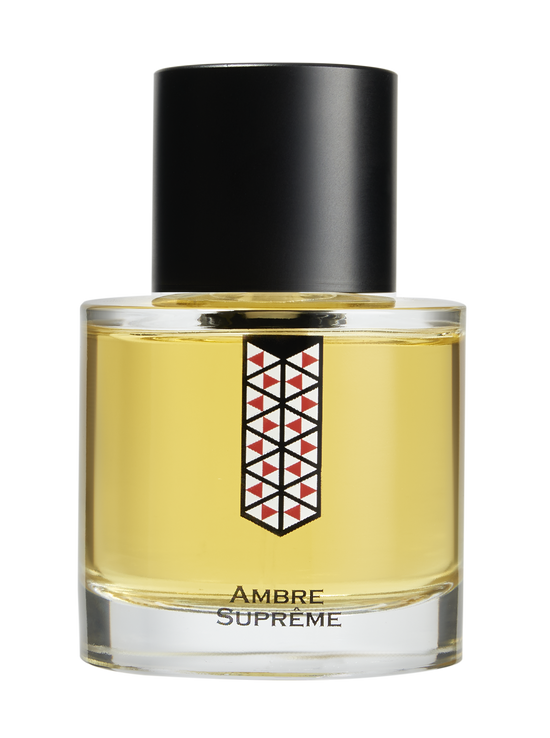
Sainte Cellier approaches animalic perfumery through curation rather than spectacle, bringing together independent perfume houses that interpret sensuality through skin, salt, musk, florals and darker, more feral textures. For a mineral and luminous introduction, Ambre Suprême by Les Indémodables sets natural ambergris and salty, oceanic facets against immortelle, orange blossom, jasmine and patchouli, creating the impression of warm skin beside the sea.
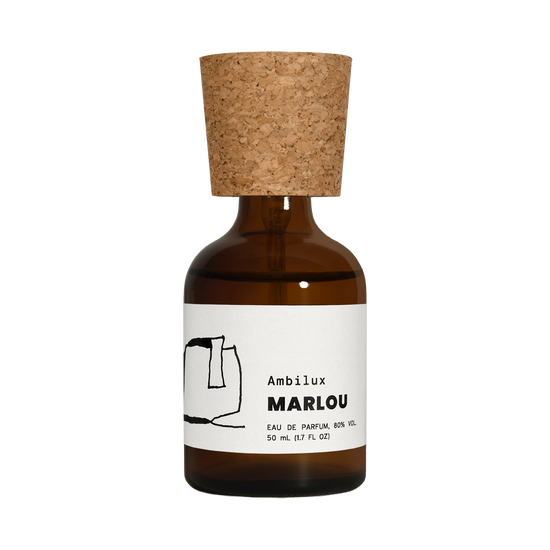
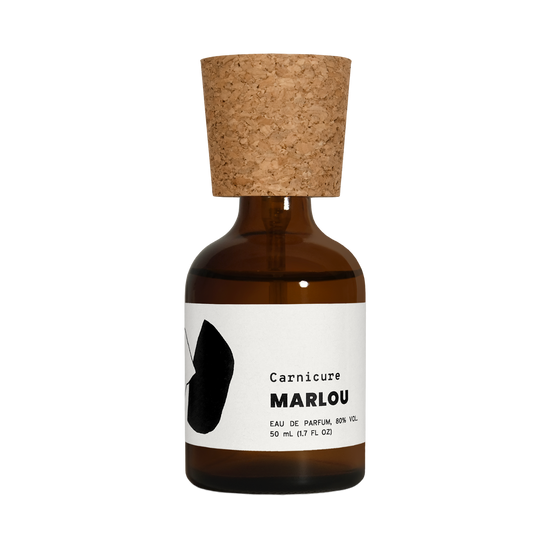
Those drawn to something more intimate and untamed might begin with Carnicure by Marlou, where violet, patchouli, labdanum, musk and civet move between crystalline elegance and animal warmth. Ma Bête by ERIS Parfums takes a more confrontational path, setting luminous neroli, aldehydes and indolic jasmine against a powerful animalic accord suggestive of fur, skin and unconfessed desire. For the most decadent and opulent interpretation, Mxxx. by ERIS Parfums layers cacao, green vanilla, sandalwood and benzoin with castoreum, hyraceum and natural ambergris.
Together, these fragrances reveal the breadth of animalic scent: salty and radiant, musky and skin-like, floral and feral, or rich with spice, woods and shadow. Each offers a different point of entry into something primal, while remaining elegant, complex and beautifully composed.