Marissa Zappas: Indie Perfume as Olfactory Storytelling
Marissa Zappas approaches perfume as a form of narrative: part scent, part portrait, part cultural memory. The New York-based independent perfumer draws on anthropology, poetry, ritual and storytelling, creating compositions that feel less like conventional fragrance briefs and more like small worlds waiting to be entered. A Marissa Zappas perfume might begin with a historical figure, a film, a garden after rain or an image that lingers at the edge of memory.
This gives Marissa Zappas a distinctive place within indie perfume and contemporary niche perfumery. Rather than relying on familiar ideas of luxury, each independent perfume is shaped by atmosphere, character and an unmistakably personal point of view. The result is artisan perfume in the truest sense: imaginative, intimate and composed with enough detail to reward repeated wear.
That sense of discovery extends to the collection’s availability. Sainte Cellier is currently the only stockist of Marissa Zappas outside the United States, making its carefully chosen edit a rare point of entry into her richly imagined world.
Romance After Dark: The Gothic Sensibility of Marissa Zappas
Romance in the world of Marissa Zappas is rarely uncomplicated. Flowers bloom beside smoke; powder meets damp earth; champagne gives way to musk; sweetness may carry something strange beneath it. Lilac, violet, jasmine and soft powdery accords can feel tender and nostalgic, but they are often interrupted by latex, castoreum, wormwood or the suggestion of something darker just outside the frame.
This is romantic perfume with shadows. Old Hollywood glamour, bodily warmth, faded bouquets and ritualistic details give certain compositions the emotional charge of a gothic perfume without reducing them to darkness alone. The beauty comes from tension: elegance beside unease, sweetness against smoke, softness made more vivid by something slightly uncanny.
From Silver Screen to Tarot: The Stories Behind the Scents
The stories behind these fragrances move freely between cinema, history, poetry, symbolism and the natural world. Some scents look towards Hollywood icons and theatrical femininity; others emerge from experimental film, historical women such as Queen Nzinga, Tarot imagery or atmospheric phenomena like petrichor. The Sun Card can become a starting point for radiance and symbolism just as a cult film can provide the emotional architecture for something stranger and more nocturnal.
Choosing a Marissa Zappas perfume is therefore often about choosing the world you want to inhabit. It may be a champagne-lit dressing room, a surreal film sequence, a garden after rainfall or a scene filled with glamour that begins to fracture at the edges. The notes matter, but so does the story they are being asked to tell.
Beautiful Disruption: Why the Unexpected Notes Matter
Part of the pleasure of Marissa Zappas lies in the details that initially sound impossible to wear. Balloon latex, Orange Ring Pop, wormwood, wet earth, tamarind, dust or gunpowder-like effects can enter a composition alongside jasmine, musk, vanilla, florals and gourmand materials. These unusual accords are not there simply to provoke. They give the scent memory, texture and emotional tension.
A familiar gourmand becomes stranger when birthday cake meets the smell of balloons. Jasmine changes character beside smoke and rum. Powdery musk becomes more sensual when something animalic moves underneath it. This beautiful disruption is what makes the collection feel genuinely authored: niche perfumes in which each unusual detail contributes to the narrative rather than becoming a novelty detached from the whole.
How to Choose Your First Marissa Zappas Perfume
Begin with mood rather than a conventional fragrance family. If you want something playful and gourmand, look for cake, sugar, cacao and honey given an unexpected twist. Dreamier tastes may gravitate towards lilac, neroli, violet or powdery musk. For something darker and cinematic, smoke, woods, patchouli, rum and herbal bitterness create more nocturnal territory.
If sensuality is the priority, champagne, peach, orris, musk and animalic base notes can create a softer but more physical presence. For an earthy, atmospheric scent, petrichor, moss, vetiver and wet soil move away from perfume as decoration and towards perfume as landscape. Whichever direction appeals, wear the fragrance on skin for several hours before deciding. These compositions tend to unfold like stories, and the most revealing scene is not always the opening one.
The Sainte Cellier Edit: Five Marissa Zappas Perfumes to Begin With
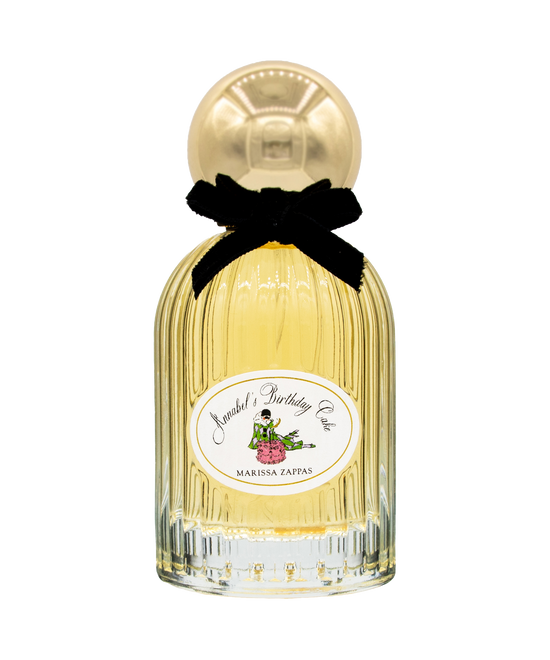
For the most playful side of the collection, Annabel’s Birthday Cake turns a familiar gourmand fantasy into something baroque and slightly surreal. Heliotrope, lemon sugar and a latex balloon accord open the fragrance before candied rose petals, tuberose cream and freshly baked birthday cake lead into honeycomb, roasted tonka bean and cacao absolute.
Dream Sequence is softer and more wistful. Petitgrain and bergamot illuminate lilac, neroli and ambrette before musk, tonka and vanilla settle into a hazy drydown. It feels floral without becoming simply pretty: a remembered garden softened at the edges.
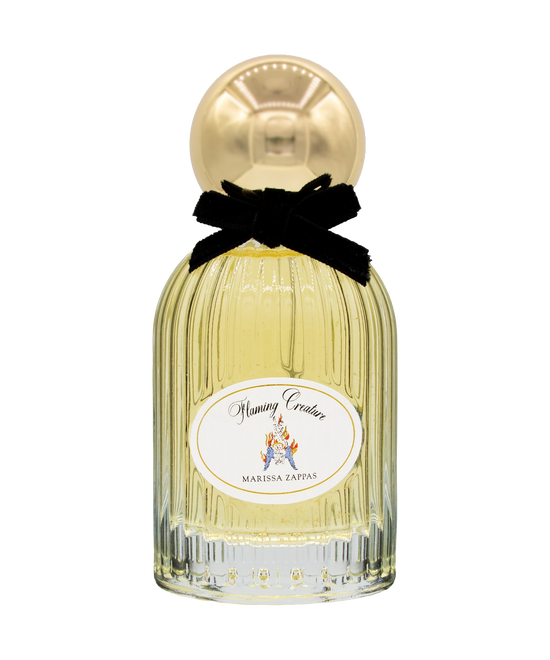
For something darker, Flaming Creature moves through pink pepper, juniper and an Orange Ring Pop accord into night-blooming jasmine and wormwood. Sandalwood, cedarwood, smoke, patchouli and rum create a smouldering base, giving the fragrance the atmosphere of experimental cinema after midnight.
Maggie the Cat Is Alive! I’m Alive! explores another kind of drama. Champagne, peach and violet lead into orris, while ambrette, oakmoss, transparent amber, patchouli, sandalwood and castoreum create a glamorous, skin-warmed musk with the feeling of a dressing room after the curtain falls.
Finally, Petrichor turns away from glamour towards landscape. Damp earth and lemon open into immortelle, orris and vetiver, before ambergris, sandalwood, moss and musk evoke the moment rain touches dry ground.
Together, these fragrances show the breadth of Marissa Zappas: gourmand, powdery, romantic, cinematic and earthy, yet always shaped by narrative. Sainte Cellier’s edit offers an introduction to an independent perfumer for whom fragrance is not simply something to wear, but something to enter.