Leather Perfume: The Art of Turning Texture into Scent
A leather perfume does not reproduce one single smell. It captures the sensation of a material: polished hide, an old saddle, the bindings of a library, soft suede, tobacco-stained gloves or wood darkened by smoke. In perfumery, the leather accord is constructed rather than distilled from leather itself, using resins, woods, tobacco, spices, musk and aromatic materials to create something dry, warm, smoky, animalic or unexpectedly supple.
This is why leather perfumes can feel so different from one another. A leather fragrance may be elegant and woody, softly musky, peppered with spice or almost charred at the edges. Some leather fragrances sit close to skin; others have a stronger, more architectural presence. What unites them is texture: the sense that a fragrance has grain, warmth and something tactile beneath its surface.
Suede, Saddle or Smoke? Finding Your Leather Style
Suede is the softest entrance into the family. A suede perfume can feel powdery, smooth and almost skin-like, often softened by florals, musk or pale woods. A suede fragrance rarely has the sternness associated with traditional leather; instead, it suggests nap, warmth and quiet intimacy.
Classic leather moves towards dryness and polish, sometimes with tobacco, aromatic herbs or woods creating the impression of a well-worn saddle or glove. Animalic leather is warmer and more provocative, while a smoky leather perfume goes darker still, drawing on birch tar, burnt wood, resins, pepper or the trace of an extinguished fire. Choosing between them is less about strength than texture: velvet-soft suede, polished hide, animal warmth or smoke-blackened leather.
Flowers Against the Hide: The Softer Side of Leather
Florals change leather dramatically. Osmanthus has a naturally apricot-like, leathery quality, making a composition feel velvety and almost fruity. Rose can make leather richer and more opulent, especially when paired with pepper, spice or woods. Jasmine brings luminosity, while tuberose gives leather a nocturnal, sensual quality that feels more skin than saddle.
Iris and violet move in a cooler direction, adding powder and restraint. Against leather, they can make a fragrance feel refined, dry and almost suede-like. This contrast is one of the reasons leather perfume need not feel severe or heavy: wrapped in flowers, musk or soft woods, it can become intimate, elegant and surprisingly tender.
For Men, for Women, or Simply for Skin?
Searches for leather perfume for men, leather perfume for women or leather perfume for ladies often reflect familiar fragrance categories, but leather itself is far more fluid. Its character changes according to what surrounds it. Smoke, tobacco, black pepper and dry woods create a sharper, more assertive profile, while suede, iris, rose, vanilla, tonka and musk make the same family feel softer and more enveloping.
Rather than choosing by gender, choose by atmosphere. Do you want something austere and woody, warm and animalic, floral and polished, or smooth enough to sit close to skin? The best leather fragrances are the ones whose texture feels natural once worn—not merely striking on a blotter, but harmonious with your skin warmth and the way the composition develops over time.
How to Wear Leather Without Letting It Wear You
Leather can be dramatic, but it does not always need an evening setting. Lighter suede perfumes and floral-leather compositions can work beautifully during the day, particularly when balanced by citrus, iris, jasmine or musk. More tobacco-rich, animalic or smoky compositions often feel especially expressive in cooler weather or after dark, when their woods, resins and spices have room to unfold.
Give a leather perfume several hours before making a decision. A sharp birch-tar opening may soften into warm woods; pepper can recede into musk; an initially austere accord may reveal flowers, tonka or creamy sandalwood in the drydown. Because leather can change dramatically on skin, sampling is especially useful before committing to a full bottle, whether eau de parfum or parfum.
The Sainte Cellier Edit: Leather and Suede Perfumes Worth Exploring
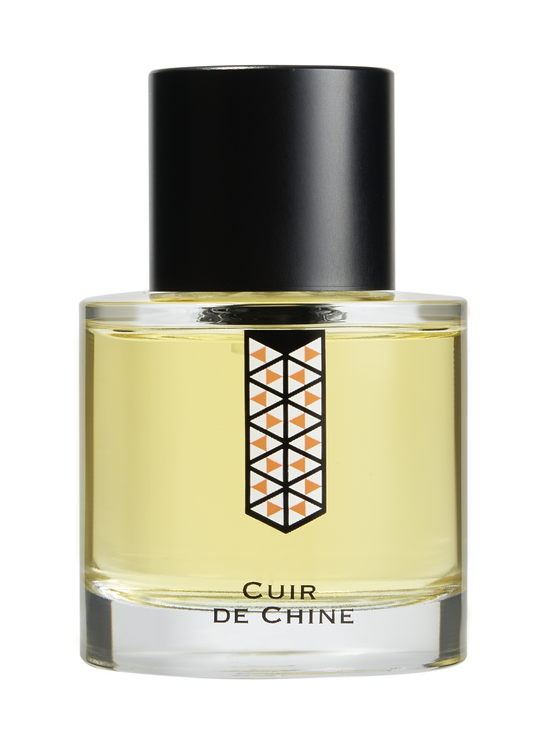
For a refined, floral interpretation, Cuir de Chine by Les Indémodables brings together clary sage, Chinese osmanthus, Egyptian jasmine and Turkish tobacco. The result is supple and warm, with osmanthus lending the leather a fruity, velvety quality and tobacco deepening its more animalic side.
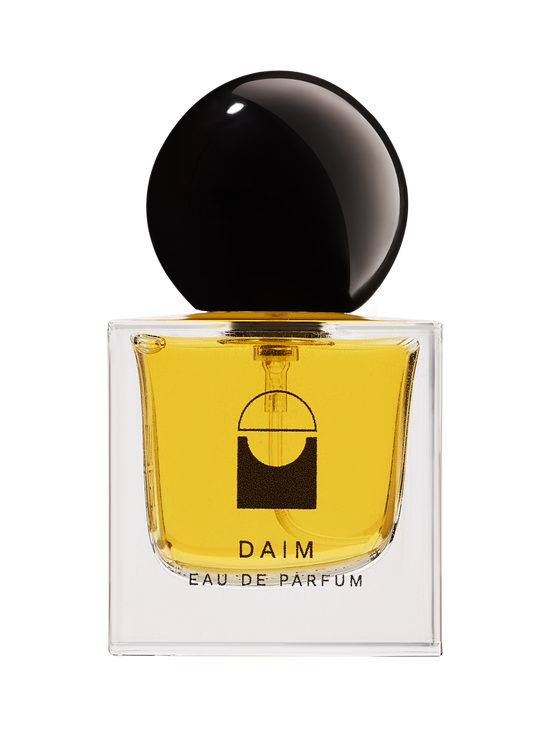
Daim by Miskeo Parfums moves closer to suede. Blood orange and black pepper brighten a soft suede accord before hay, frangipani and jasmine emerge, with mahogany and castoreum adding warmth underneath. It is textured rather than heavy, balancing softness with a quietly feral edge.
Night Flower by ERIS Parfums explores a darker, more nocturnal leather. Bergamot, birch tar and cardamom lead into suede, Indian tuberose and cinnamon, before patchouli, tonka bean and musk create a warm, sensual drydown. The contrast between white floral richness and smoky leather gives the fragrance its tension.
Mohur by Neela Vermeire Créations takes leather into more opulent territory, surrounding it with cardamom, coriander, ambrette, black pepper and elemi, then Turkish and Moroccan rose, jasmine, orris, violet and almond milk. Sandalwood, patchouli, oud, benzoin, vanilla and tonka create a rich base in which leather feels woven into the composition rather than standing apart from it.
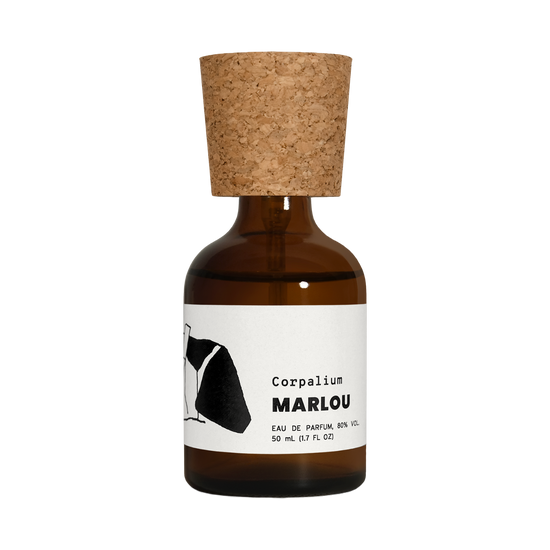
For something drier and more uncompromising, Corpalium by Marlou combines iris, ambrette, fenugreek, guaiac wood, cedar and castoreum. The effect is old leather, tobacco and dying embers: austere, animalic and quietly magnetic.
Together, these fragrances show the breadth of Sainte Cellier’s Leather & Suede edit: from powder-soft suede and floral leather to smoke, tobacco and animal warmth. Each offers a different way to wear leather—not as a rigid category, but as texture, atmosphere and character on skin.