Fruity perfume: when fruit becomes the main character
A fruity perfume can do far more than add a decorative burst of sweetness. Fruit may shape the entire atmosphere of a fragrance: playful and bright, tart and invigorating, darkly sensual or strangely abstract. Pear can feel crisp and translucent; mango lush and tropical; blackberry or juicy blackcurrant shadowed and wine-like; pomegranate dry, vivid and slightly tannic.
In niche perfumery, fruit is treated as texture rather than flavour. The aim is rarely to create a perfume that smells like fruit in a simple, literal way. Instead, perfumers explore ripeness, acidity, skin, nectar and decay, using fruity notes to suggest humid gardens, sun-warmed orchards, crushed berries or exotic fruit split open at its most fragrant moment. The result is a fruity fragrance with character, not merely sweetness.
Peel, pulp, skin and seed: the textures of fruity fragrance
A fruity scent changes according to which part of the fruit a composition seems to capture. Peel brings brightness, bitterness and zesty freshness. Pulp feels soft, juicy and mouth-filling, while fruit skin may appear green, waxy, aromatic or tannic. Stones and seeds can introduce an almond-like dryness that pulls a sweet fruity perfume away from anything too syrupy.
This is why two fruity perfumes built around the same fruit can smell entirely different. A mango perfume may be sunny, creamy and enveloping, or sharpened by green spices and woods. Black cherry might feel glossy and sensual in one fragrance, then smoky or medicinal in another. The fruit provides the idea; the surrounding composition determines its temperature, colour and mood.
How perfumers recreate the scent of fruit
Many fruits do not yield a useful aromatic extract for traditional perfumery, so their scent is often recreated as an accord. A perfumer combines natural materials and aroma molecules to suggest the freshness of pear, the velvet of peach, the tropical fullness of mango or the tart brightness of pomegranate. The artistry lies in selecting which details to emphasise rather than reproducing every facet literally.
A fruity accord may feel hyper-real, like juice running across the skin, or more impressionistic: a memory of an orchard, a balmy market or the aroma left on fingers after tearing open ripe fruit. These constructions allow fruity fragrances to move beyond realism, from the bright immediacy of a fresh fruity perfume to something darker, more elusive and abstract.
Why fruit rarely stands alone in perfume
Fruit changes dramatically in the company of other notes. Florals can make it radiant, romantic or voluptuous: jasmine amplifies tropical richness, while rose can draw out berry-like tones. Musk gives fruit softness and skin warmth; herbs sharpen its greener facets; citrus adds lift. Woods, leather and vetiver create dryness and structure, giving the fruit a firmer outline.
Spices and resins can make ripe fruit more opulent, while patchouli, tobacco or amber turn it darker and more sensual. These contrasts separate niche fruit perfume from straightforward, fruit-flavoured sweetness. A unisex fruity perfume may combine mango with cumin, rhubarb with cypress, or strawberry with earthy vetiver—combinations shaped by atmosphere rather than conventional ideas of gender.
Lusciousness comes from more than sugar
A luscious fragrance suggests ripeness, density and soft fruit flesh, but it does not have to be sugary. Juiciness becomes more compelling when balanced by acidity, bitterness or something slightly dry: the tart edge of rhubarb, the pith of grapefruit, a green mango skin or the tannic darkness of blackcurrant. These details create tension and keep richness from becoming cloying.
This is also where fruity perfume differs from conventional gourmand fragrance. The pleasure may be edible, but the emphasis is on nectar, freshness and living texture rather than caramelised sweetness. A fragrance can feel abundant and enveloping while remaining citrusy, green, woody or slightly smoky—luscious because the fruit appears vivid and dimensional, not because the composition is drenched in sugar.
Fruity perfume beyond the obvious at Sainte Cellier
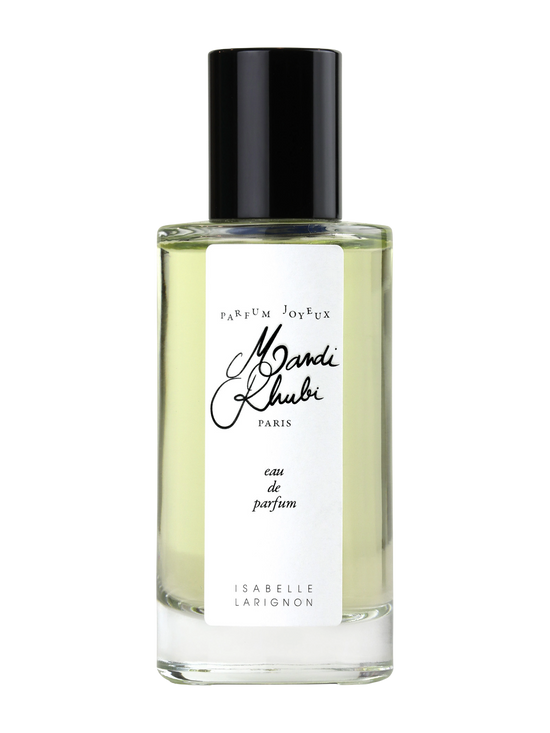
For something crisp and green, Mandi Rhubi by Isabelle Larignon turns rhubarb into a bitter, sparkling cocktail of bergamot, citron and mandarin, sharpened by blackcurrant bud, galbanum, juniper and pepper before drying into cypress, cedar and vetiver. Bombay Bling by Neela Vermeire Créations is more exuberant: mango, lychee and blackcurrant ripple through jasmine, tuberose and ylang-ylang, while tobacco, patchouli and sandalwood keep its tropical richness grounded.
Delta of Venus by ERIS Parfums offers a more unusual expression of fruit, setting ripe guava against bergamot, grapefruit, jasmine, violet leaf and the bitter-green bite of galbanum. For nocturnal sensuality, Fraise de Nuit by Frassaï pairs a natural upcycled strawberry extract with five expressions of vetiver and a creamy thread of upcycled rice vanilla, finding smoke, soil, green root and dry wood beneath the fruit.
Sainte Cellier brings together a range of fruity perfumes from independent perfume houses that approach fruit with nuance and an unexpected point of view. Fruity notes are often marketed as feminine, but the compositions selected here are unisex, with texture, atmosphere and individual taste offering better guides than gender. These fragrances move from zesty freshness to tropical abundance, green acidity and shadowed sensuality, revealing fruit with far more to say than sweetness alone.